
A stove fitted with the important details right
Appliance choice made clearer
We explain how stove type, fuel use and room layout affect the right installation.
Compliance built into the plan
Ventilation, flue route and regulations are considered before fitting begins.
Helpful options around the main job
Open-fire work and servicing can be discussed alongside a new stove project.
Choosing the right stove starts with the room
A new stove changes how you heat a space, so the early decisions matter. We assess the room, the appliance you want, the chimney condition, ventilation needs and the route combustion gases will take before we set out the installation plan. That helps you understand whether a wood-burning, multi-fuel or log burner arrangement best suits your fuel preference, property layout and heating goals. With Beech Pure Clean, you get practical guidance in Matlock on the parts that make the job compliant, not just the appliance itself.
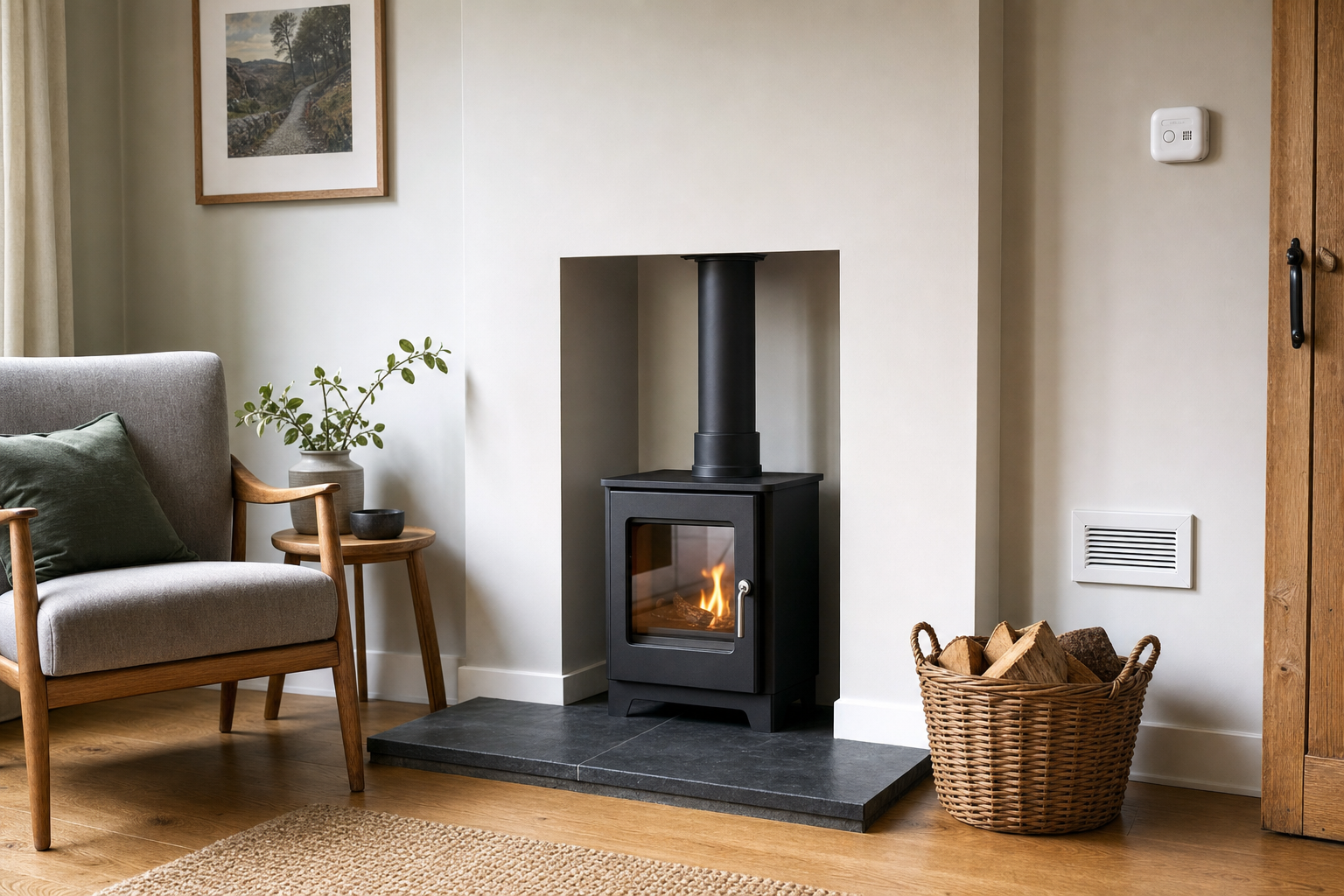
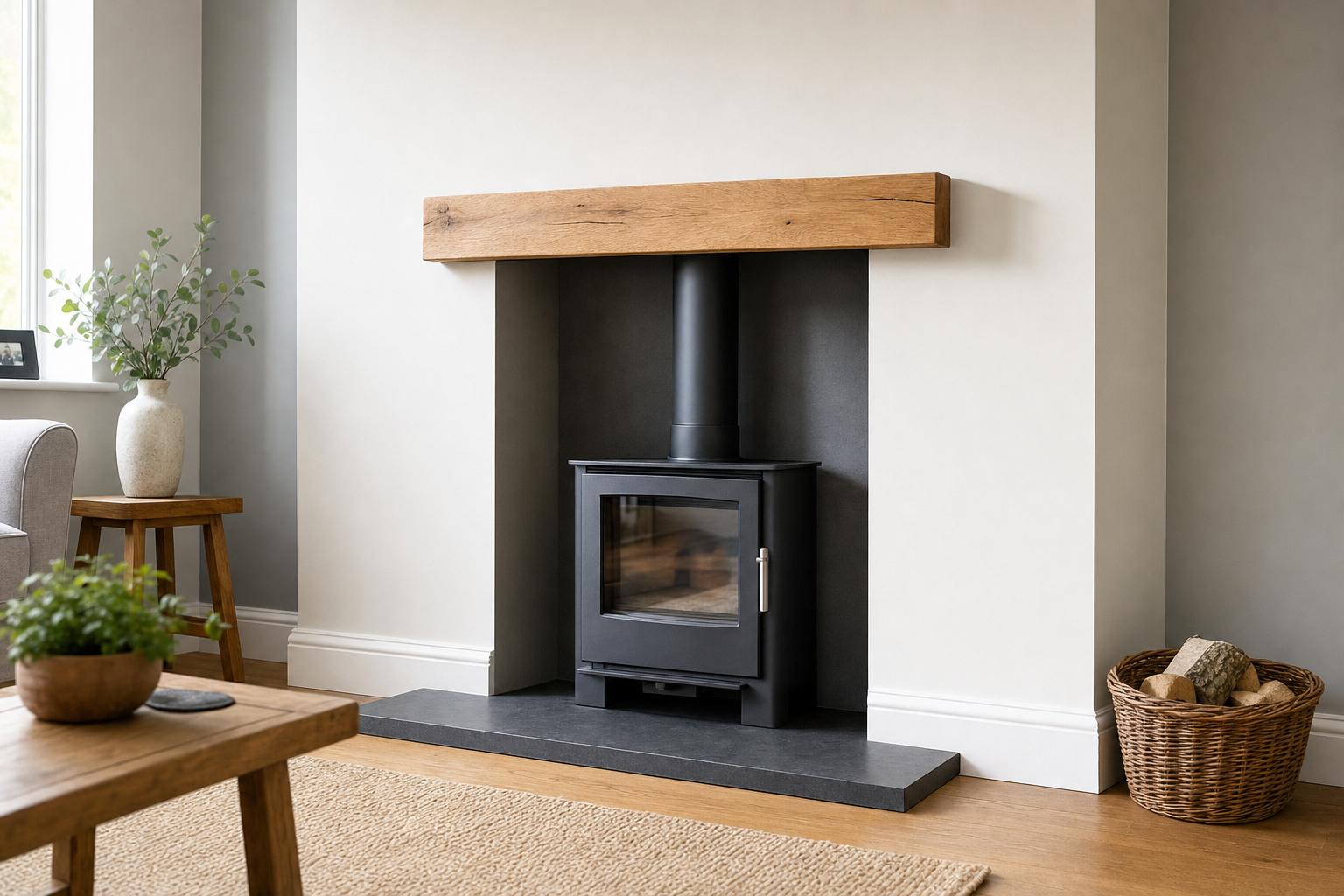
Installation work planned around safety and compliance
Depending on the property, the job may involve hearth preparation, flue liner installation, airflow checks, chimney adaptations or a twin-wall flue system. We can also discuss open-fire installation and servicing for existing log burners where that is helpful. Choosing Beech Pure Clean means the work is carried out by HETAS-registered installers with approved training, and relevant installations can be self-certified. That gives you a clearer route through the process and confidence that building regulations have been taken seriously.
Frequently asked questions
How do I know which stove type suits my home?
We look at the room, your chimney, your fuel preference and how you want the appliance to work day to day. That helps us explain the differences between wood-burning and multi-fuel options in a way that relates to your property.
What parts might be needed besides the stove itself?
That varies by property. A compliant installation may need a hearth, flue liner, ventilation work, chimney alterations or a twin-wall system. We assess these points first so you know what the installation is likely to involve.
What does HETAS registration mean for the job?
It shows that we are trained and approved for relevant stove installation work. Where self-certification applies, we can certify the installation through the proper route, which helps keep the process clear and tied to the right standards.