
A cleaner elevation without forcing the issue
Method matched to the substrate
We choose pressure, steam or gentler cleaning after checking the wall in detail.
Useful across property types
Homes, business premises and industrial buildings can all be assessed properly.
Even results matter
The aim is a suitable finish across the elevation, not maximum force for its own sake.
A better finish starts with the wall itself
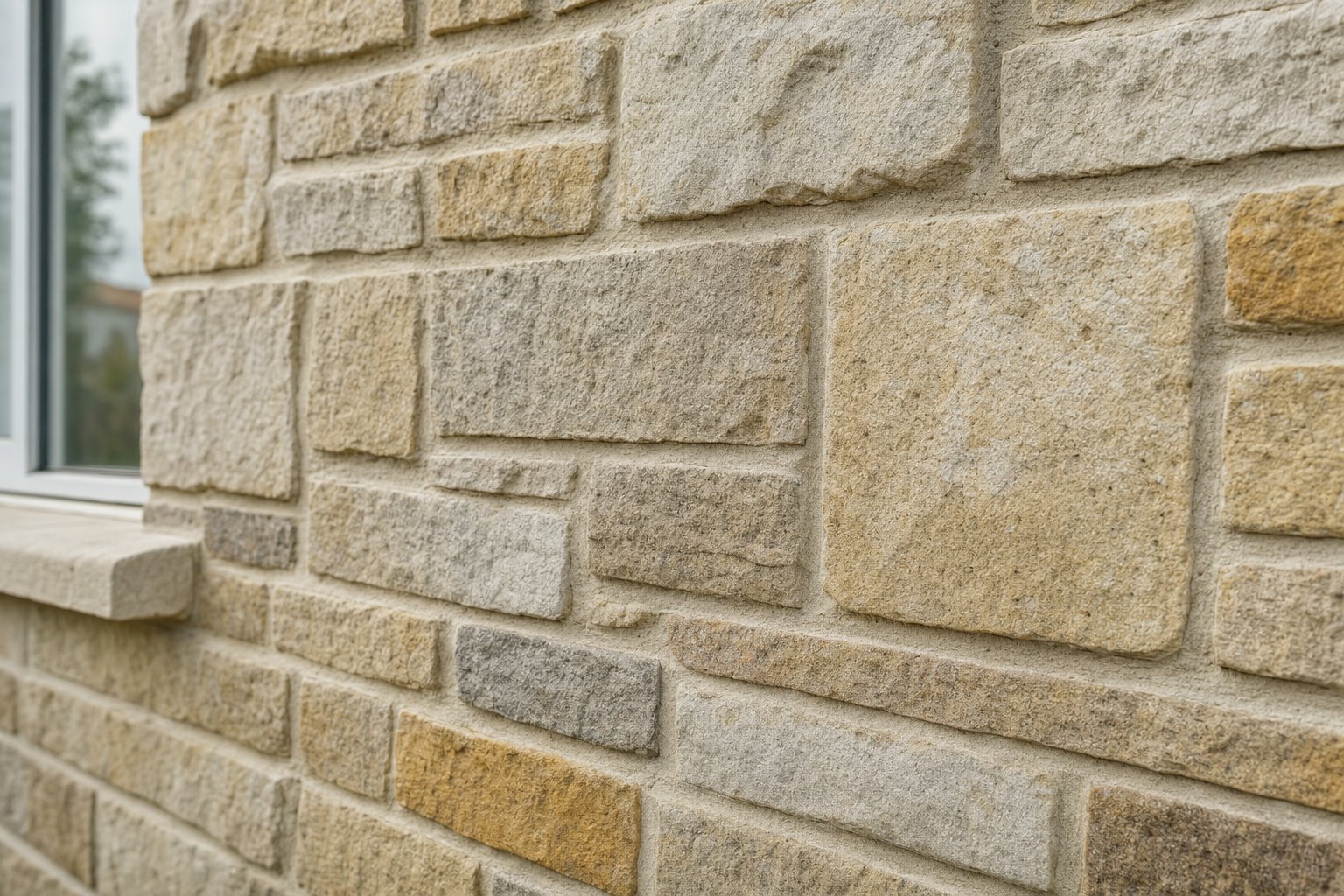
Outside walls pick up weathering, traffic film, general dirt and organic growth gradually, so the change can creep up on you. Cleaning them properly starts with understanding the surface rather than reaching for the highest setting. We look at the wall material, the pointing, any coating and any existing damage before choosing pressure, steam or a gentler approach. With Beech Pure Clean, exterior wall cleaning in Matlock is aimed at an even, suitable result that respects the building rather than forcing a dramatic finish at any cost.
Planned for height, run-off and surrounding areas
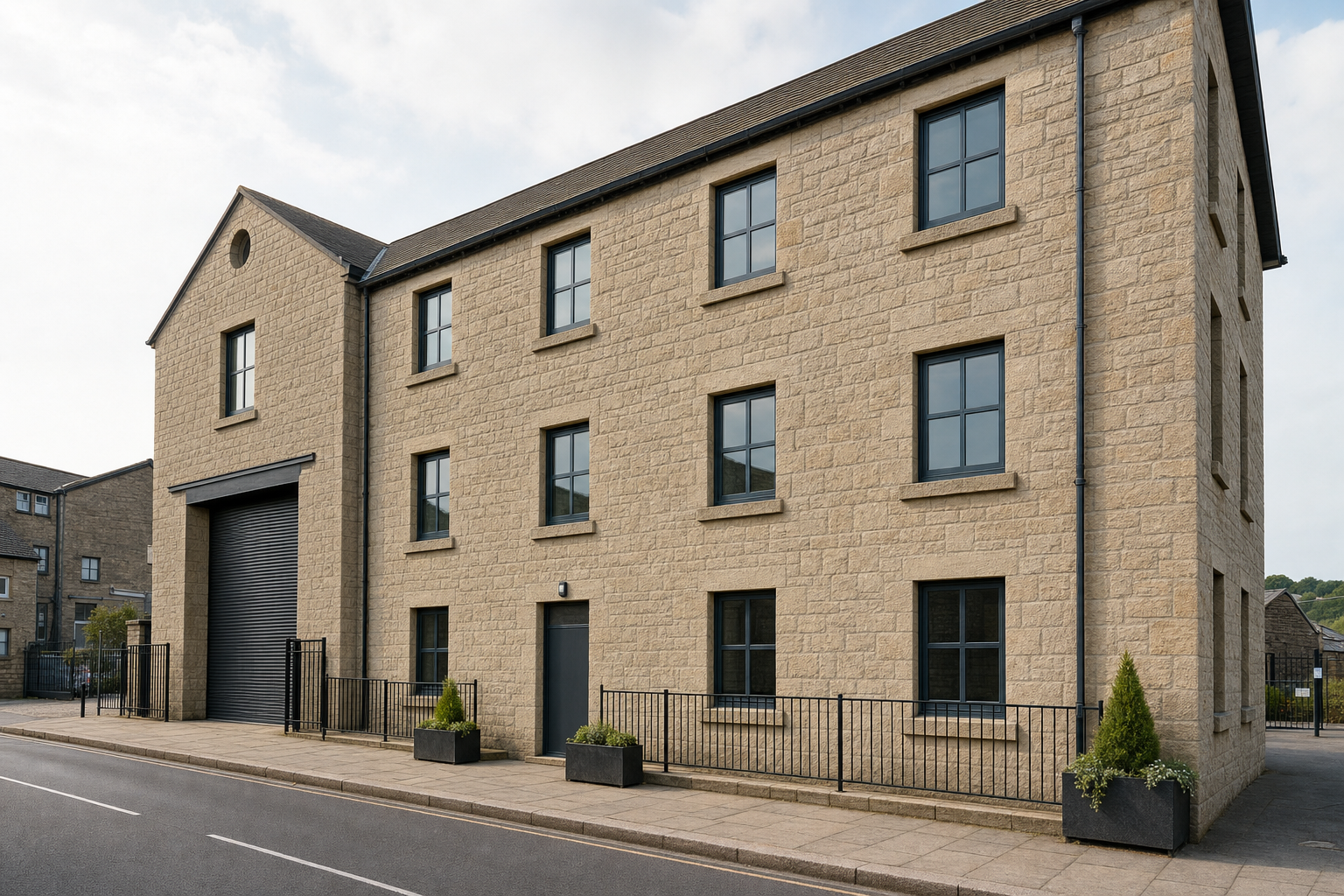
Domestic, commercial and industrial elevations all bring different access and safety considerations. We assess height, nearby surfaces, working space and how run-off can be controlled before wider cleaning begins. A small test area lets us see the real response of the substrate, then we clean in a measured way and review the result. Choosing Beech Pure Clean means the cleaning method is led by what the wall can safely take, which is important on older buildings or surfaces with worn pointing and patch repairs.
Frequently asked questions
Why not just use the highest pressure possible?
Because the wrong pressure can damage pointing, disturb coatings or leave an uneven finish. We inspect the wall first and choose a method that fits the material, so the cleaning improves the appearance without being rough on the surface.
Can you clean commercial and industrial buildings too?
Yes. We work on domestic, commercial and industrial exteriors. The planning changes with the site, especially around height, access, neighbouring surfaces and run-off, so we assess these points before we confirm the approach.
What does the test area tell you?
It shows how the wall reacts before we clean the full elevation. That helps us judge the safest pressure or temperature, the likely finish and whether any worn areas need a gentler approach than the rest of the surface.